Wildlife Removal Experts for Humane Animal Control Solutions
Professional Animal Removal Services You Can Trust
Professional animal control solutions provide homeowners a dependable way to address wildlife concerns. These services utilize specialized knowledge and humane techniques to tackle infestations effectively. A comprehensive assessment uncovers weaknesses in properties, ensuring that not only are current problems corrected, but upcoming threats are reduced as well. Grasping the process and its benefits is crucial for homeowners dealing with these obstacles. What factors should be assessed when selecting a dependable provider?
Why Professional Animal Removal Matters
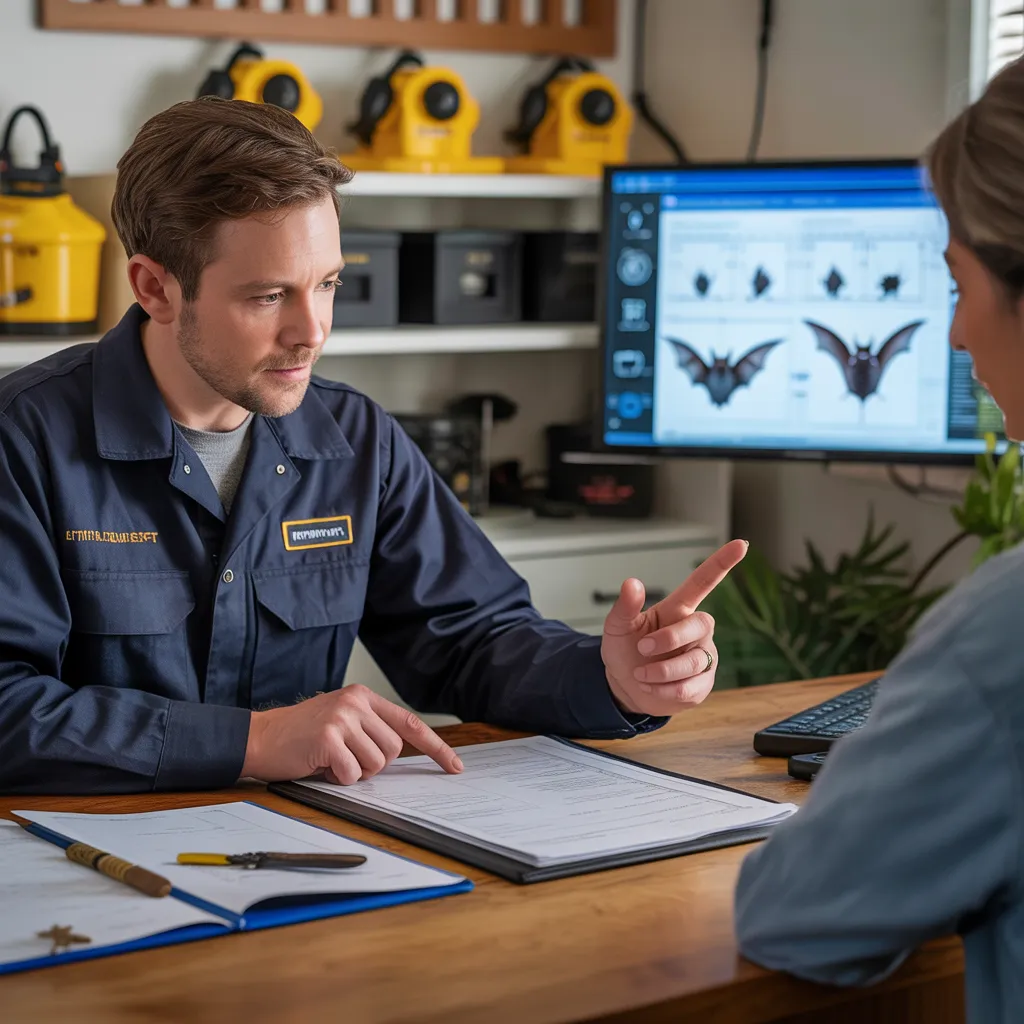
While many read this article property owners may attempt to handle animal infestations on their own, the importance of professional animal removal cannot be overstated. Professionals possess expert expertise and equipment that ensure the safe and humane removal of unwanted wildlife. Attempting do-it-yourself approaches can lead to further complications, such as injury to both the homeowner and the animal, as well as possible legal consequences.
Additionally, experts can pinpoint access spots and core problems, avoiding subsequent pest invasions. They also understand jurisdiction-specific animal regulations, verifying adherence during the removal process. Efficient animal removal not only safeguards the property but also maintains the health of its dwellers by limiting the likelihood of pathogen transfer. By trusting experts, property owners can dedicate time to their daily lives, knowing that the problem is being handled efficiently and prudently. In this manner, expert animal removal serves as an crucial investment in maintaining a safe and healthy habitat.
Signs You Require Animal Removal Services
Identifying the signals that point to a requirement for animal removal services is crucial for preserving a secure home environment. Homeowners should be attentive for unusual noises in attics or walls, which may suggest the presence of pests. Furthermore, unexplained damage to property, such as gnawed wires or chewed furniture, can be a obvious indication of an animal infestation.
Finding droppings or tracks around the house is another sign that professional help may be necessary. Unpleasant odors, often resulting from pest excrement or dead animals, can also indicate a serious problem. Moreover, appearances of wildlife in or around the property, especially during the day, may indicate that animals are encroaching on living spaces. Prompt attention to these signs can prevent more severe problems and guarantee the safety and comfort of the household. Engaging professionals at the first sign of trouble can mitigate risks and restore peace of mind.
How to Select the Correct Animal Removal Company
How can homeowners ensure they select the right animal removal company? First, they should research nearby options and review online reviews. Favorable feedback can indicate a company's trustworthiness and efficiency. Additionally, verifying credentials is essential; certified and covered experts are more likely to follow professional guidelines and safety procedures.
Homeowners should also ask about the procedures used for animal removal. Ethical practices are essential, making certain that animals are handled humanely and safely. A established company will deliver detailed information about their approaches and ongoing support.
Additionally, getting multiple quotes can assist homeowners evaluate costs and services provided. Transparency in pricing is crucial to prevent surprise expenses. Finally, consider the company's experience; established businesses often have a proven track record in handling various wildlife situations. By adhering to these recommendations, homeowners can assuredly choose a trustworthy animal control company.
Experienced Animal Removal Described: How It Operates
Choosing the right animal removal company helps homeowners understand the complexities of professional animal removal services. First, skilled professionals conduct a thorough inspection of the premises to identify evidence of wildlife presence and possible access areas. This evaluation is essential for tailoring an successful elimination strategy.
Next, humane traps or exclusion methods are deployed, ensuring that animals are caught safely. Professional services prioritize safe and ethical methods, minimizing anxiety for the animals affected. Once removed, the technicians address the original entry points to prevent future invasions.
Also, cleaning and disinfection are important parts of the process, as they help eliminate odors and potential health risks. This all-encompassing approach not only resolves the immediate issue but also instructs homeowners about maintaining a wildlife-free environment. Ultimately, professional animal removal incorporates expertise, ethical practices, and preventive measures, ensuring a successful resolution to wildlife challenges.
Guidance on What Comes Next After Licensed Animal Exclusion?
Following expert pest extraction, homeowners should expect a scheduled follow-up inspection to ensure the area stays secure. Additionally, prevention strategies will be discussed to prevent future infestations. These measures are crucial for preserving a pest-free and safe environment.
Follow-Up Survey Itinerary
What can one anticipate during the post inspection schedule after professional animal removal? Typically, this involves a detailed inspection of the area to ensure that no animals remain and that any entry points have been adequately sealed. Professionals will inspect potential nesting sites and assess the effectiveness of prior removal efforts. They may also look for signs of damage caused by the animals, such as gnaw marks or droppings.
The inspector will record results and may suggest additional measures if needed. This visit often serves as a reassurance to property owners, verifying that the space is free of animals and safe. Regular follow-up inspections can be essential in preserving a environment free of pests and detecting any new problems quickly.
Preventive Strategies Instituted
Following the successful removal of animals, deterrent tactics hold a critical place in protecting the property from future invasions. Professionals usually apply a detailed approach, beginning with a careful inspection of the property to spot potential entry points and vulnerabilities. Measures like sealing cracks, installing screens, and reinforcing vents are commonly taken to keep animals from returning. In addition, landscaping modifications such as trimming unruly vegetation and managing food sources help reduce attractants. Regular maintenance and checking are suggested to ensure these strategies are effective. Property owners might also receive guidance on best practices, including proper waste disposal and safeguarding pet food. By proactively addressing these aspects, the possibility of re-infestation is greatly diminished, ensuring a safer and more secure environment.
Methods to Stop Upcoming Wild animal Concerns
Preventing upcoming wildlife problems requires preventive measures and a close attention for possible entry points. Homeowners should frequently inspect their properties for holes in bases, attics, and vents, sealing any openings to deter animal entry. Proper care of landscaping is vital; overgrown vegetation can provide shelter for pests. Additionally, securely storing food and garbage in wildlife-resistant containers minimizes draw to wildlife.
Installing barriers can also serve as a warning, especially around vegetable patches or livestock areas. It is crucial to keep outdoor spaces tidy by removing waste and mess that may shelter animals. Educating family members about wildlife awareness and the importance of documenting encounters can foster a proactive approach. Ultimately, consistent vigilance and maintenance of the premises establish an unwelcoming environment for wildlife, greatly decreasing the probability of future infestations and guaranteeing tranquility for homeowners.

Regularly Raised Questions
Does Homeowners Insurance Cover Wildlife Control Services?
Animal removal services may be included by homeowners insurance, based on the policy specifics. Homeowners should review their coverage details or consult with their insurance provider to determine eligibility for reimbursement related to wildlife removal.
Which Types of Creatures Do Professional Services Relocate?
Professional services typically eliminate a selection of animals, including raccoons, squirrels, bats, skunks, snakes, and birds. Each species necessitates expert techniques to guarantee safe and humane removal from residential or commercial properties.
What is the Standard Duration of the Animal Extraction Process?
Animal extraction normally takes anywhere from one to several hours, determined by the type of creature in question and the level of difficulty of the circumstances. Location and accessibility the area is will also affect the overall duration.
Is Wildlife Extraction Harmful to the Animals That Are Relocated?
Animal elimination procedures are created to minimize harm, concentrating on secure transfer rather than injury. Trusted companies emphasize humane methods, making certain that animals are treated gently and placed back in suitable habitats whenever feasible.
Can I Try DIY Animal Removal Before Calling Professionals?
Attempting DIY wildlife extraction can be dangerous and may result in accidental injury for both the animals and the individual. Experts suggest carefully assessing the circumstances before deciding whether to seek professional assistance.